
AAIHS 2026: Registration is Now Open
AAIHS 2026–Registration Now Open!
**Early Bird Registration Ends on January 31, 2026
March 27-28, 2026
Pittsburgh, PA
Preserving Histories and Legacies in the 21st Century

In a 1992 article entitled “What Has Happened Here,” historian Elsa Barkley Brown defines history, in part, as “everybody talking at once, multiple rhythms being played simultaneously.” Developments during the early twenty-first century prove her words apply to how we preserve knowledge of our past. Debates on school curricula and the function and impact of difference in societies over time, have unfolded in the academy and beyond. Technological advancements like ChatGPT and social media have shaped these conversations in unanticipated ways and give the impression of an increasing number of individuals “talking at once” and, often, in discordant tones.
Where in this altered terrain of historical discourse does the scholar of Black histories belong? The theme for the 2026 AAIHS conference opens an opportunity to consider this question collectively. Together, we hope to address a range of questions such as: How might contemporary difficulties facing us today parallel or diverge from earlier efforts to keep account of Black histories? How does geographic location and the positionalities of both scholar and subject further affect this work? How different, if at all, are the stakes in preserving histories and legacies in the current century? Through the theme, “Preserving Histories and Legacies in the 21st Century,” AAIHS encourages conference participants to reflect on how we have historicized African and African-descended peoples from slavery to the present and how we might do so still. We hope this invitation prompts scholars, activists, artists, curators, archivists, and other intellectuals to interrogate notions of change; continuity; and progress–all key elements of historical inquiry. As always, we are eager to engage these questions through multiple research fields, methods, and methodologies.
Keynote Speaker: Dr. Edda L. Fields-Black
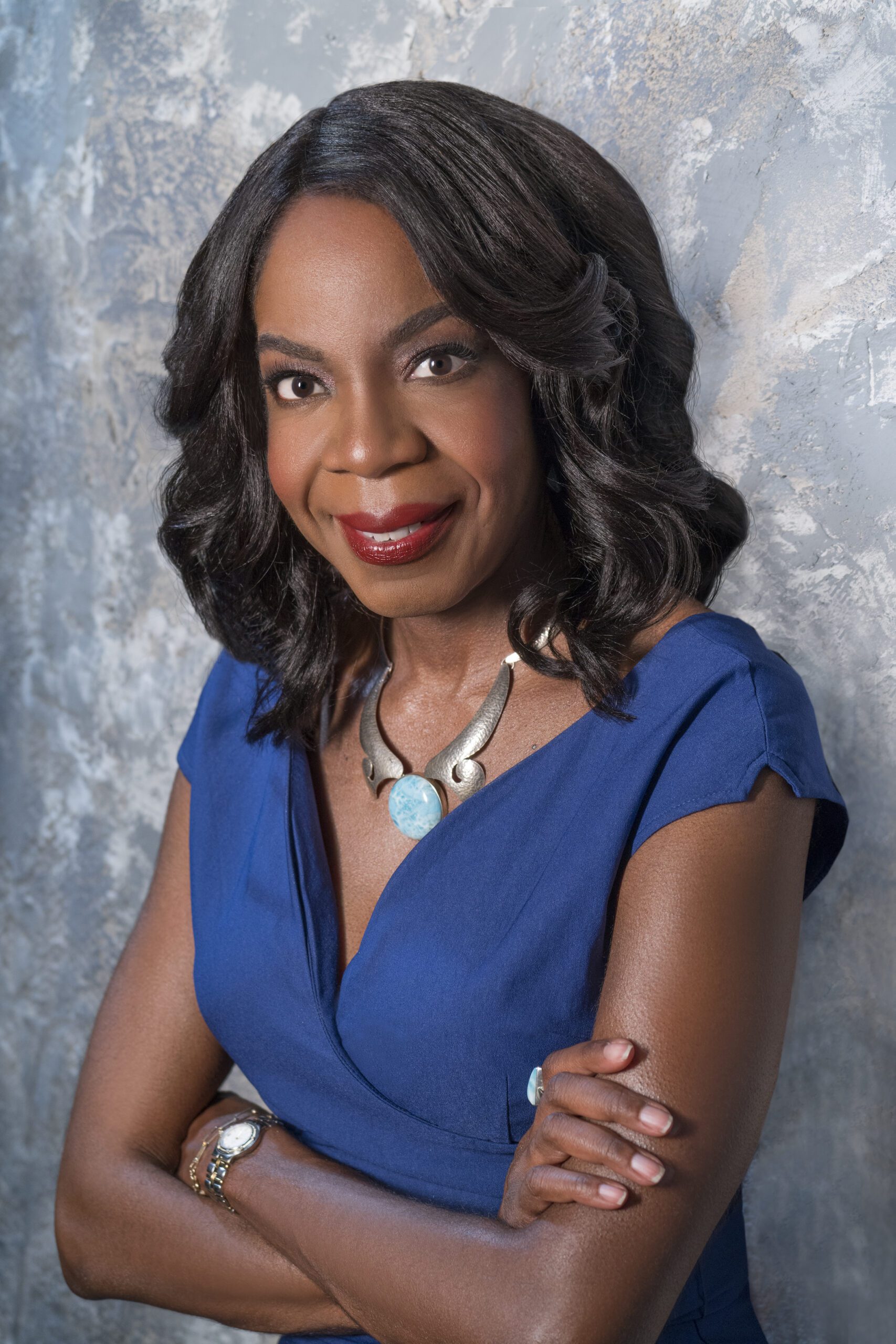
Dr. Edda L. Fields-Black, a Pulitzer Prize-winning author, teaches history at Carnegie Mellon University and serves as Director of the Dietrich College Humanities Center. She has written extensively about the transnational history of West African rice farmers, including in such works as Deep Roots: Rice Farmers in West Africa and the African Diaspora. She was a co-editor of Rice: Global Networks and New Histories, which was selected as a Choice Outstanding Academic Title. Fields-Black consulted for the Smithsonian National Museum of African American History and Culture’s permanent exhibit, “Rice Fields in the Low Country of South Carolina.” She is the executive producer and librettist of “Unburied, Unmourned, Unmarked: Requiem for Rice,” a widely performed original contemporary classical work by celebrated composer John Wineglass.
Dr. Edda L. Fields-Black’s groundbreaking book, COMBEE: Harriet Tubman, the Combahee River Raid, and Black Freedom during the Civil War. Fields-Black unveils Tubman’s command of spies, scouts, and pilots and intelligence gathered from freedom seekers, which led to a raid that liberated 756 enslaved people from bondage on seven rice plantations. It was the largest slave rebellion in US history. Through previously unexamined documents, she brings to life the Combahee River Raid and the untold stories of those freed, their resilience, and the lasting impact of Tubman’s heroism.
Fields-Black is a descendant of both Africans enslaved on rice plantations in Colleton County, South Carolina and a USCT soldier (her great-great-great grandfather) from Beaufort County who fought in the Combahee River Raid in June 1863. Her determination to illuminate the riches of the Gullah dialect, and to reclaim Gullah Geechee history and culture, has taken her to the rice fields of South Carolina and Georgia to those of Sierra Leone and Republic of Guinea in West Africa.
COMBEE has been named the 2025 Gilder Lehrman Institute Lincoln Prize winner, winner of the Society of Civil War Historian’s 2025 Tom Watson Brown Award, winner of the South Carolina Historical Society’s 2024 George C. Rogers Jr. Award, and winner of the Association for Afro-American Historical and Genealogical Society’s 2024 Marsha M. Greenlee History Award. In addition, COMBEE earned Honorable Mention for the Organization of American Historian’s 2025 James A. Rawley Prize and is a finalist for the Columbia School of Journalism’s 2025 Mark Lynton History Prize and finalist for the Association for the Study of African American Life and History’s Book Prize. In addition, COMBEE was named among “The Best Nonfiction Books of 2024,” by Bloomberg.com,” “Also Recommended” among the “Best Books of 2024,” in The New Yorker, “Best Civil War Books of 2024,” Civil War Monitor, “Top 10 History Books: 2024,” Booklist, Oxford University Press Best “Books of 2024”.
Featured Filmmaker: Fred Kudjo Kuwornu
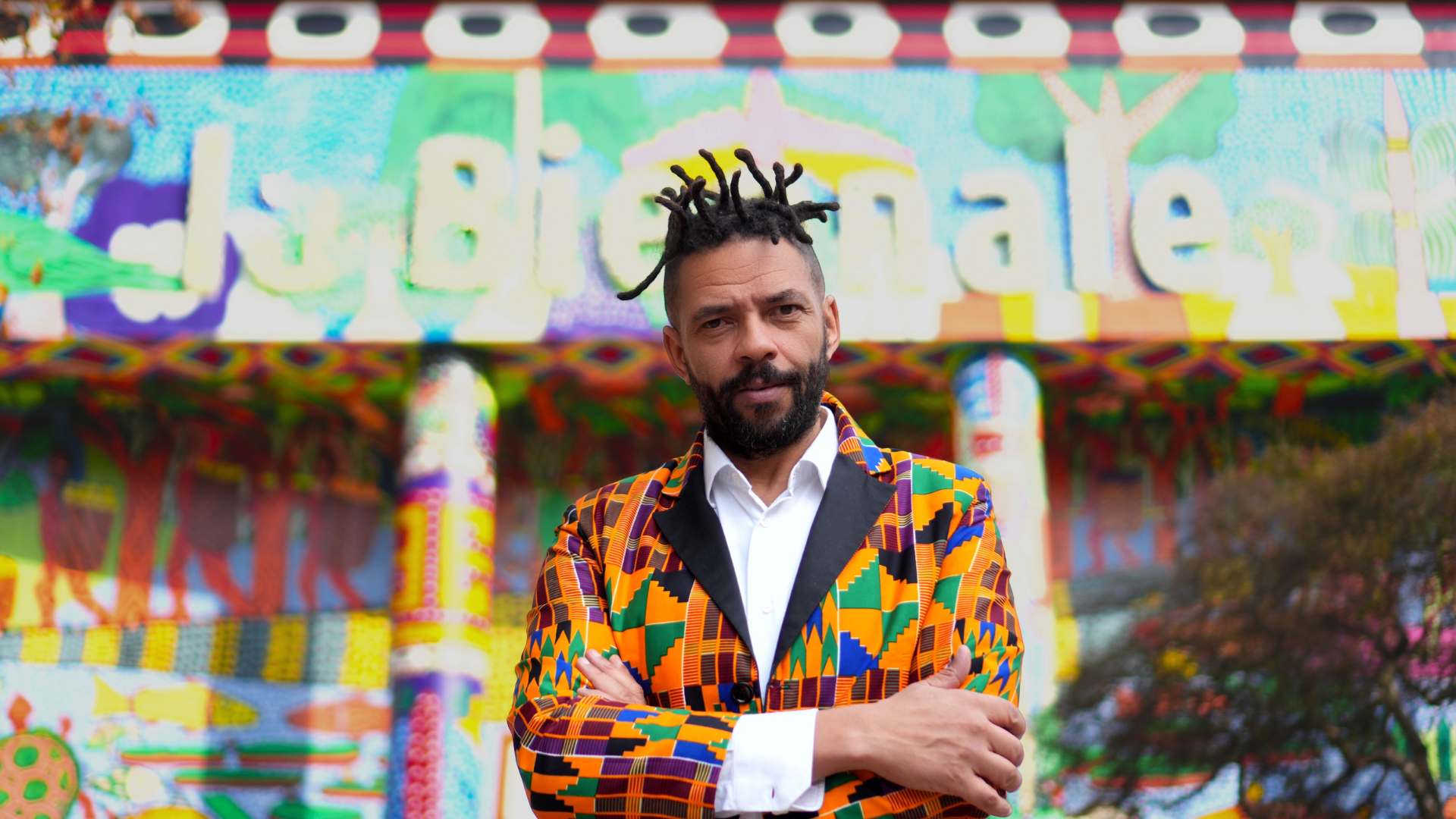
Fred Kudjo Kuwornu, the director of “We Were Here,” is an Afro-Italian and U.S. multi-hyphenate socially engaged artist, filmmaker, curator and scholar based in New York. His work bridges past and present, the seen and unseen, exploring identity and race through historical remixing of archival materials. Kuwornu’s films have been exhibited at the 60ᵗʰ Venice Art Biennale in the Central Pavillion curated by Adriano Pedrosa (2024), museums and international film festivals and in 2025 his most recent feature documentary qualified for Academy Awards For Your Consideration in the Best Documentary Feature category. In 2025, Kuwornu was awarded the Folger Shakespeare Library Fellowship for his innovative approach to early modern European history through the lens of the African diaspora. He also received the Dan David Prize, the world’s largest history award, in recognition of his career-long contributions to public history and cultural memory through audiovisual.
We Were Here – The Untold History of Black Africans in Renaissance Europe
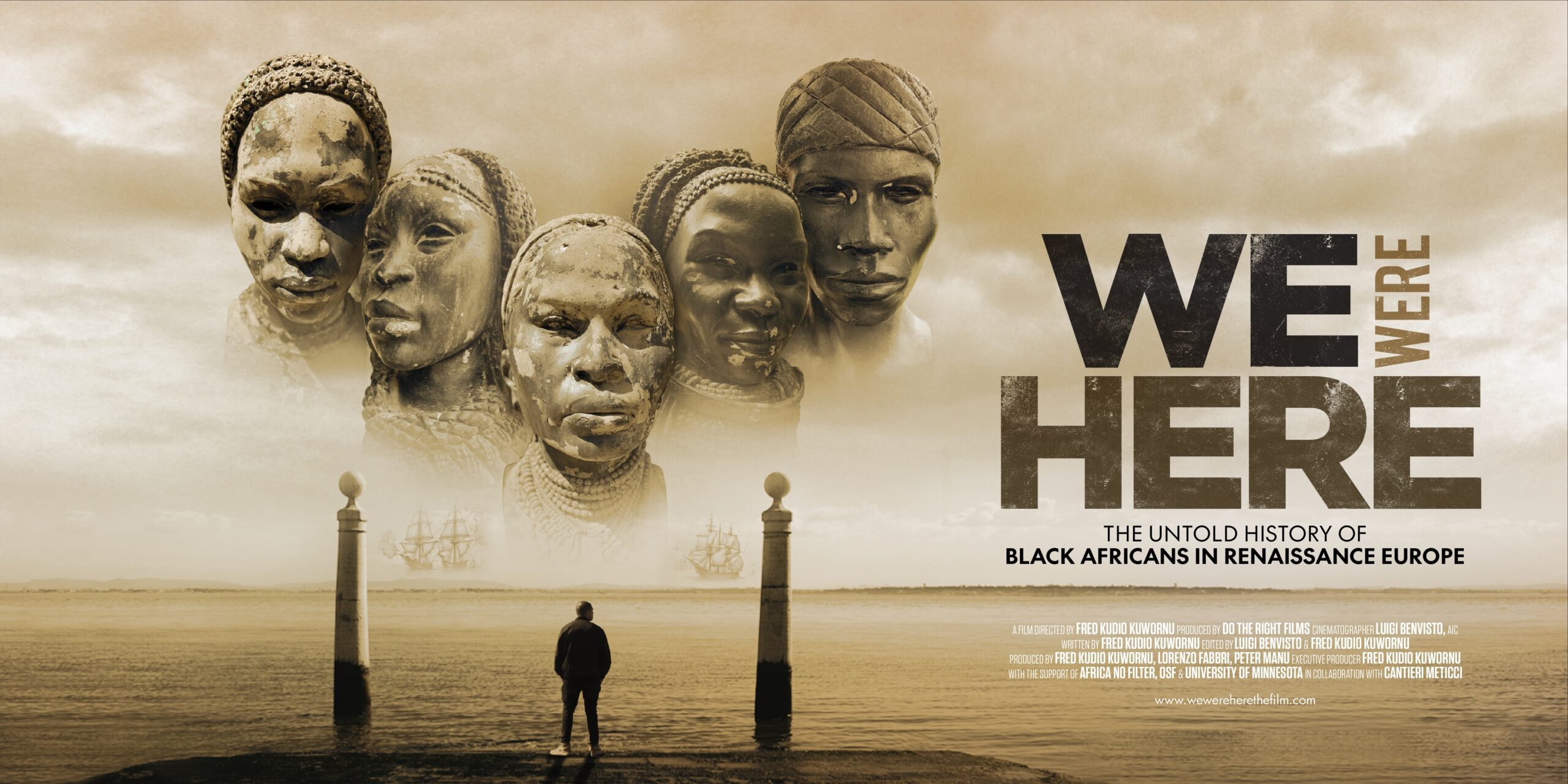
We Were Here – The Untold History of Black Africans in Renaissance Europe sheds light on the overlooked presence of African and Black individuals in Renaissance Europe, highlighting their depiction in masterpieces by some of the era’s most celebrated artists. How did they come to Europe? Why were they portrayed? Were they truly all servants or enslaved? If the Black faces depicted in these Renaissance masterpieces could speak, what would they tell us?
Directed by award-winning filmmaker Fred Kudjo Kuwornu and produced by Do The Right Films, this multilingual documentary takes viewers on an expansive journey through the UK, Italy, Spain, Portugal, the Netherlands and France, offering a compelling reexamination of European art history and its cultural legacy. Featuring insights from leading scholars in Art History, Black Studies and History, alongside Black activists and curators, the film provides a rich, layered perspective on a neglected chapter of European history.
We Were Here has attracted international attention, having been exhibited in the Central Pavilion curated by Adriano Pedrosa at the 60ᵗʰ International Art Exhibition of the Venice Biennale, which drew more than 700,000 visitors. The film was also presented as an Official Submission to the 98th Academy Awards® 2026 for Best Documentary Feature and was submitted to the 56th NAACP Image Awards® 2026, further positioning the project within a global conversation on cinema, history and representation. The documentary has received critical acclaim for its fresh and thought- provoking exploration of race, art and identity in the Renaissance.